


How much larger can my breasts get with fat transfer?
Fat transfer is best for a subtle to moderate increase in breast volume, often around one cup size, depending on your anatomy and how much fat can be safely transferred. We’ll discuss realistic possibilities during your consultation.
Can I increase my breasts by more than one cup size with fat transfer?
Yes, but it requires a staged approach. Because your breasts need time to establish a blood supply for the newly transferred fat, each procedure typically adds about one cup size. If you want a more significant increase, subsequent sessions can be performed roughly 4 months apart—once the initial fat has fully settled—to safely build additional natural volume over time.
How long do fat transfer breast augmentation results last?
Fat transfer can provide long-lasting volume, although your breasts can still change over time with aging, pregnancy, and weight fluctuations.
Are there any risks associated with fat transfer?
While fat transfer is completely safe and does not increase your risk of breast cancer, non-surviving fat cells can form harmless microcalcifications or oil cysts. These benign deposits will show up on routine mammograms, so it is important to inform your radiologist that you have had a fat transfer so they can easily distinguish them from cancerous tissue.
Do I have enough body fat for the procedure?
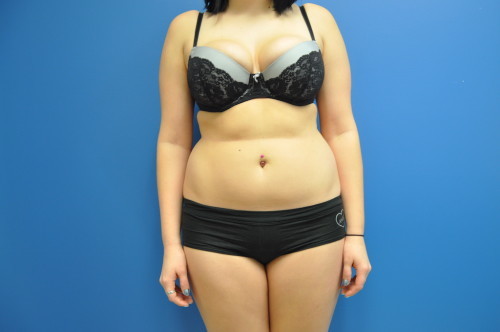
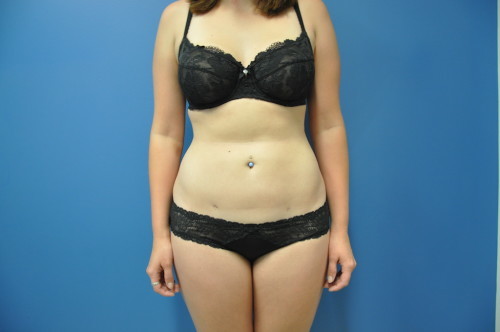
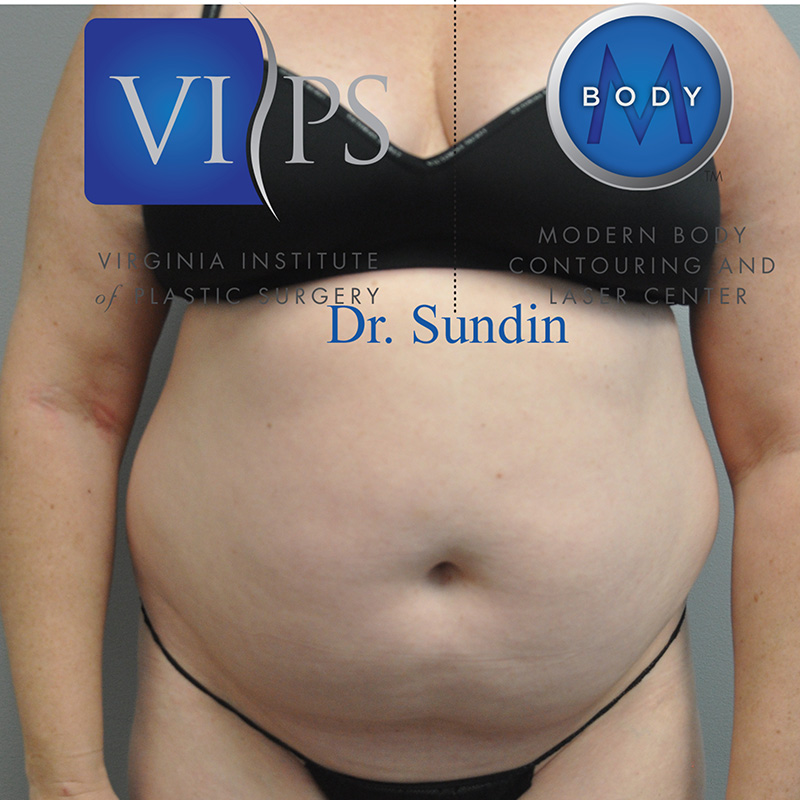
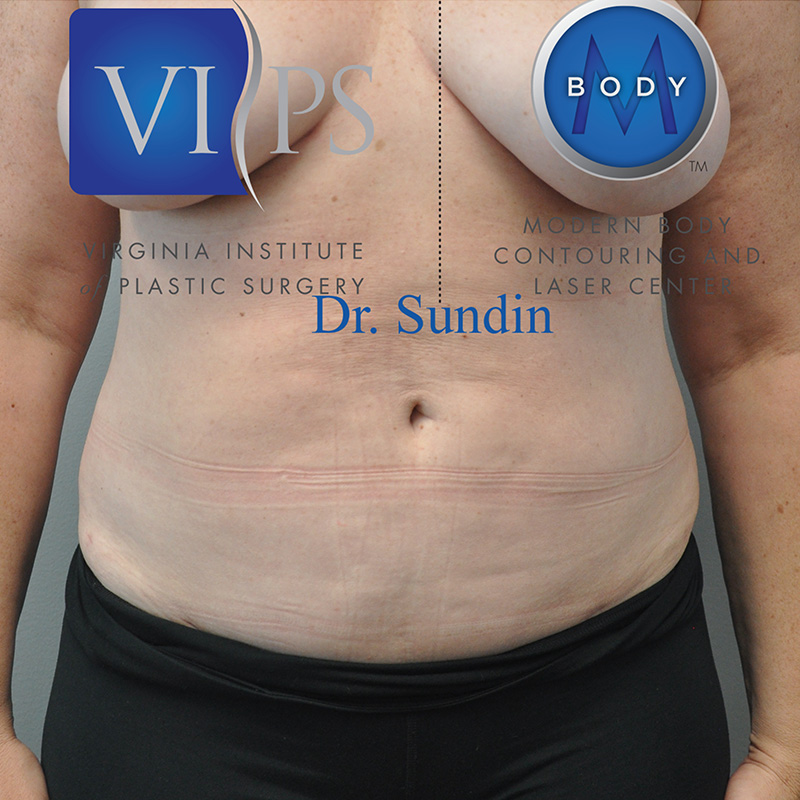
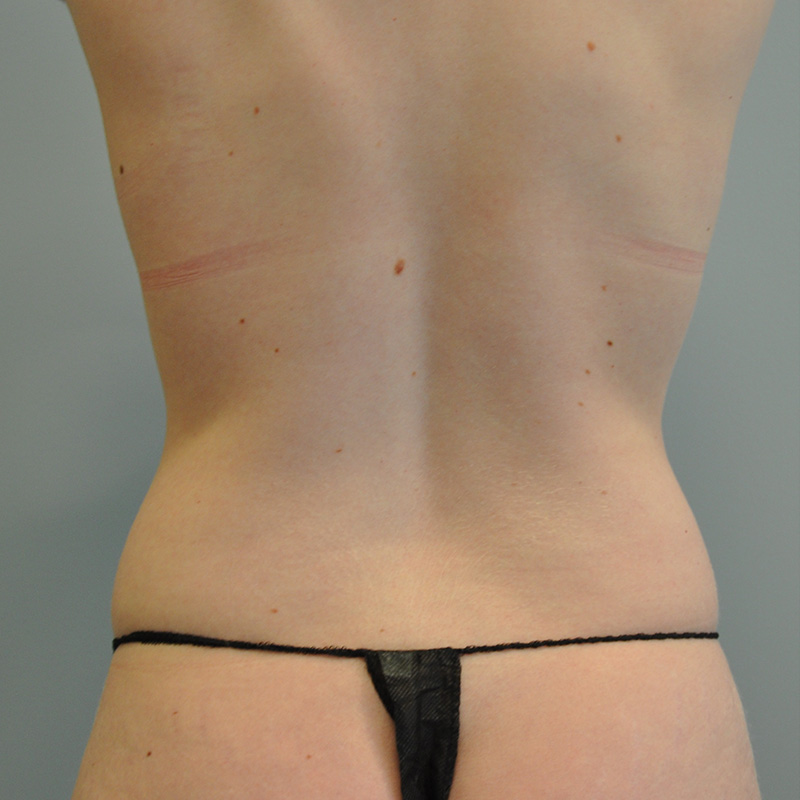
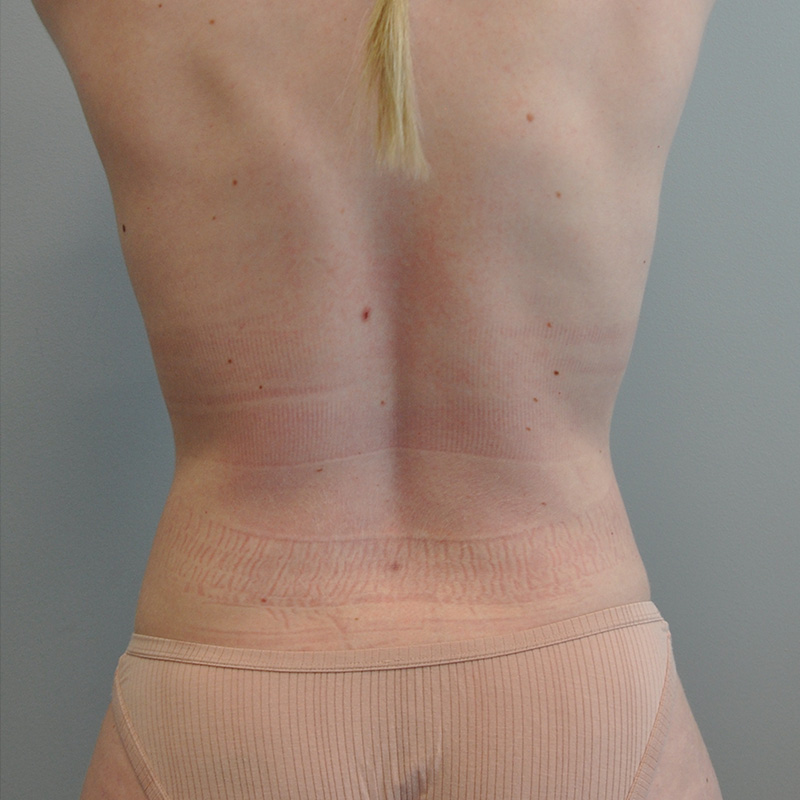
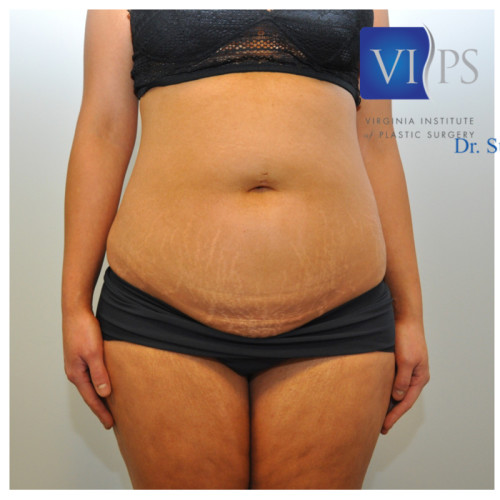
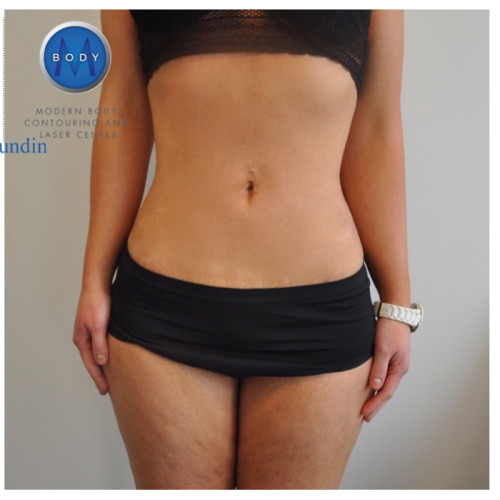
You’ll need enough donor fat in areas like your abdomen, waist, thighs, knees, calves, upper arms, or flanks to create the enhancement you want. Your surgeon will assess your eligibility during your consultation.
Where will fat be harvested from?
Fat is typically taken from areas where you have unwanted fullness, such as your abdomen, flanks, waist, hips, or thighs.
How will weight fluctuations impact my results?
The transferred fat behaves like fat elsewhere in your body, so significant weight gain or loss can change the size and shape of your breasts over time.